Safe Snow Adventures: Mobile Pet Injury Care in Summit County

Safe Snow Adventures: Mobile Pet Injury Care in Summit County
When the snow blankets Summit County and your dog or cat bounds into the drifts, winter adventures can quickly turn from joy to concern if an injury occurs. As pet owners, you want your furry companions to enjoy the outdoors, but icy trails, hidden hazards, and cold weather bring unique risks that can lead to sprains, wounds, or more serious injuries. The thought of transporting an injured pet in tough winter conditions can be daunting, especially if your animal is already stressed or in pain.
At Passion Fur Paws, our mobile veterinary service makes it easier than ever to get expert care for your pet right at home or at our stationary location in Summit County. We bring diagnostics, urgent care, and compassionate support directly to your door, ensuring your pet receives prompt attention with less anxiety and disruption. In this blog, we will help you recognize common winter injuries, understand their causes, learn how our mobile veterinarians diagnose and treat these conditions, and discover practical tips to keep your pet safe through snowy adventures. If you are ever unsure whether your pet’s winter mishap requires professional attention, our comprehensive pet exam and mobile services are always just a call away.
Recognizing Pet Injuries After Snowy Adventures
After a day exploring the snow, it is important to watch for signs that your dog or cat may have suffered a winter-related injury. Symptoms can range from subtle to severe, depending on the nature of the incident and your pet’s overall health.
Some of the most common signs of injury after snowy outings include limping or reluctance to bear weight on a limb, which may indicate a sprain or strain. You might notice visible cuts, scrapes, or bleeding, especially around the paws where ice and hidden debris can cause wounds. Swelling, bruising, or sudden tenderness in a particular area are also warning flags. Additionally, pets may start licking or chewing at an injured spot, vocalize in pain, or become suddenly withdrawn or lethargic after playing in the snow. In more serious cases, you might observe difficulty breathing, confusion, or collapse, which could signal a more urgent problem such as hypothermia or internal trauma.
For senior pets or those with existing health conditions, recovery may be slower, and symptoms can sometimes be more subtle. These pets may simply move less, avoid stairs, or show a loss of appetite after an injury. If you notice any of these changes, it is important to seek veterinary evaluation quickly so your pet can return to comfort as soon as possible.
Why Snowy March Adventures Bring Unique Injury Risks
Summit County’s late-winter conditions create a perfect environment for both fun and potential hazards. Melting snow and icy patches can form slick surfaces that increase the risk of slips and falls. Dogs running through deep drifts or across crusty snow may twist a paw, strain a muscle, or even suffer ligament injuries such as cranial cruciate ligament tears. Hidden rocks, sticks, or sharp ice edges can puncture paws or cause lacerations.
The cold itself poses risks, particularly for pets with thin coats or underlying health issues. Frostbite can develop on exposed ears, tails, and paws, especially if pets remain outside for extended periods or become wet. Hypothermia is another concern, as body temperatures can drop quickly in frigid air, especially if a pet is lost or immobilized by injury.
Snow also masks common dangers like antifreeze spills, de-icing salts, or animal traps, which can all lead to poisoning or toxic reactions if ingested or contacted. For senior pets and those with arthritis, the cold may exacerbate joint pain, making even small injuries more uncomfortable and recovery slower.
Understanding these risks helps pet owners prepare for safe adventures and recognize when to call for help. Our mobile veterinary service is designed for the unique challenges of Summit County’s climate, allowing us to provide diagnostic services and emergency care wherever your pet needs it.
How Mobile Vets Diagnose and Treat Winter Injuries
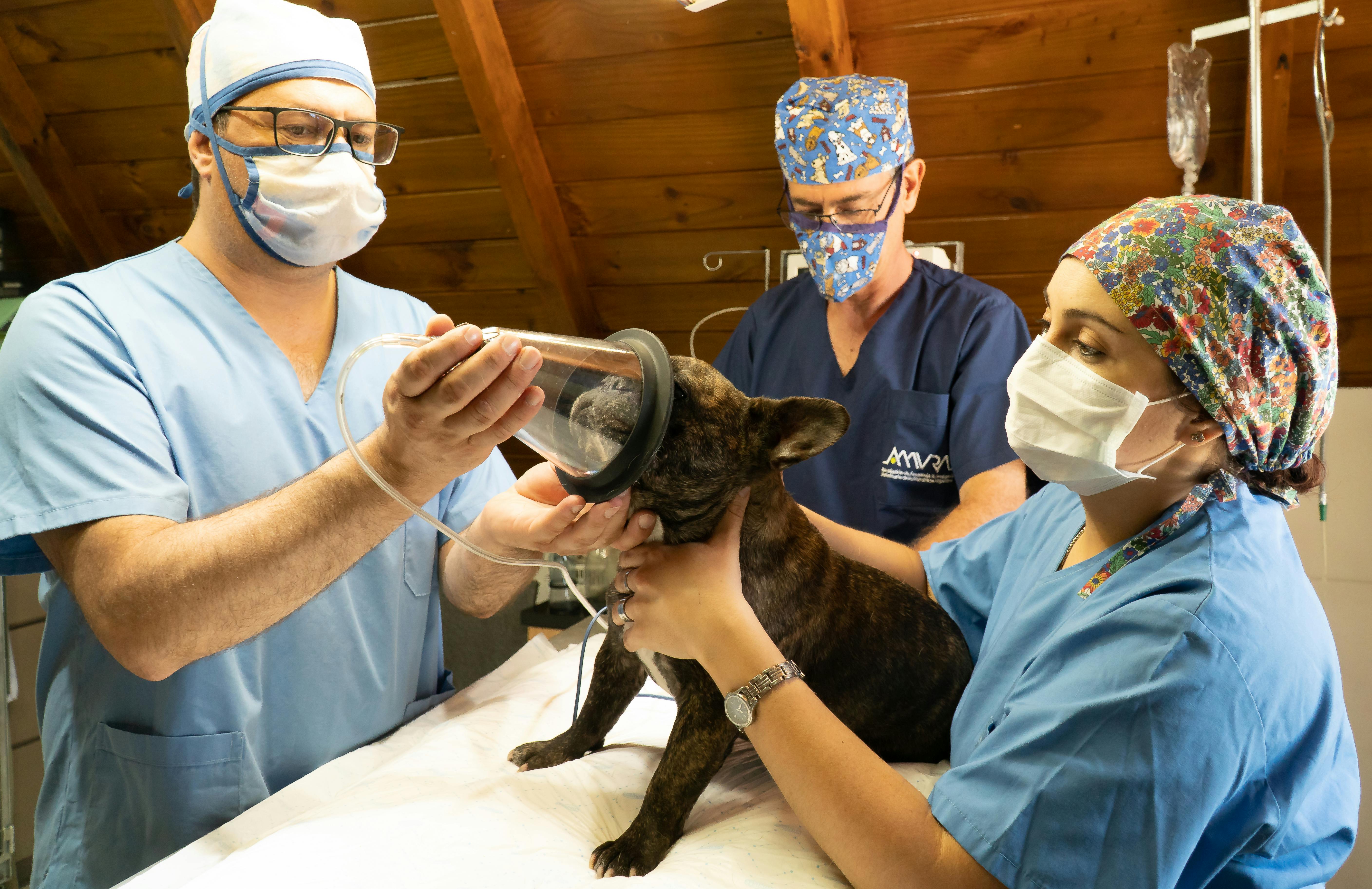
When your pet experiences a winter mishap, timely and accurate diagnosis is crucial for a smooth recovery. Our mobile veterinarians arrive at your home equipped with advanced tools, so your pet can be evaluated without the added stress of travel. We begin with a thorough physical examination, gently assessing for pain, swelling, wounds, or abnormal movement. For many injuries, further diagnostics are needed to determine the extent of damage.
Our mobile service offers digital radiology to quickly assess for fractures, joint injuries, or internal trauma. This technology allows us to view detailed images of bones and soft tissues right in the comfort of your home, minimizing stress and speeding up decision-making. For cases involving possible heart or lung complications, an electrocardiogram may be used to monitor your pet’s vital signs and detect underlying problems. You can learn more about our digital radiology services to see how we support injury assessment after winter adventures.
Treatment approaches are tailored to the specific condition and your pet’s needs. For minor wounds or sprains, care often involves cleaning and bandaging, pain relief, and instructions for safe rest. More severe injuries, such as deep cuts, fractures, or suspected internal trauma, may require surgical intervention, wound management, or hospitalization. Our mobile veterinarians can perform many procedures in-home or transport your pet to our stationary facility if needed, ensuring seamless continuity of care.
For senior pets or animals with chronic conditions, we take extra precautions to manage pain and support safe healing. Our senior pet care services are designed to address the unique needs of aging pets, providing close monitoring and gentle treatment during recovery.
Home Care and Prevention Tips for Snowy Seasons
While not every winter injury can be avoided, there are practical steps you can take to reduce risks and help your pet recover comfortably at home. Before heading out, check your pet’s paws for cracks or overgrown nails, as these can make injuries more likely. Fitting dogs with booties and jackets can protect against ice, salt, and cold, especially for smaller breeds or older pets. After each snowy outing, inspect your pet for cuts, ice balls between the toes, or signs of discomfort, and gently dry their fur to prevent chilling.
If your pet has suffered a minor scrape or strain, home care includes keeping the wound clean, restricting activity, and monitoring for changes in swelling or pain. Applying a warm compress may soothe sore muscles, but any wound that is deep, bleeding heavily, or not improving within a day should prompt a call to your veterinarian. Never give human medications or attempt advanced care at home without professional guidance, as some substances can be toxic to pets.
To prevent injuries, consider shorter, more frequent walks during icy periods, and stick to familiar paths where hazards are easier to spot. Senior pets benefit from gentle exercise indoors when conditions outdoors are treacherous. Regular wellness examinations ensure your pet is in good health before facing winter adventures, helping to catch underlying issues that could make injuries more serious.
When to Seek Veterinary Care for Winter Injuries
Knowing when to call a veterinarian is just as important as knowing how to offer initial care at home. Immediate attention is needed if your pet is unable to walk, has a limb at an abnormal angle, is bleeding heavily, or becomes unresponsive. Signs such as persistent vomiting, difficulty breathing, or collapse after a cold-weather outing indicate a possible emergency and should not be ignored. Frostbite, hypothermia, or suspected poisoning also require urgent veterinary intervention.
For less severe symptoms, such as mild limping, minor wounds, or changes in appetite or behavior, a prompt veterinary consultation is still recommended. Our mobile service allows your pet to be evaluated quickly, reducing travel stress and ensuring faster treatment. If you are worried about your pet’s recovery or unsure whether an injury needs professional care, reaching out for a comprehensive pet exam is always the safest option.
Remember, pets often hide pain, and what appears minor can sometimes develop into a more serious problem if left untreated. Our veterinarians are experienced in assessing winter-related injuries and can provide guidance on whether in-home care is appropriate or if more advanced intervention is needed.
Why Choose Passion Fur Paws for Mobile Pet Injury Care in Summit County
Winter in Summit County is filled with adventure for both people and pets, but accidents can happen even to the most cautious explorers. With Passion Fur Paws’ mobile veterinary service, you can rest assured that expert help is always close by, whether your pet slips on ice, suffers a wound, or simply needs a wellness check after a snowy outing.
Our mobile care model means your pet receives gentle, individualized attention in the comfort of your home, reducing anxiety and speeding up recovery. We proudly serve Summit County and surrounding communities, offering everything from urgent diagnostics to surgical care—right where you need it most. If you are searching for a mobile vet near me, our veterinary professionals are dedicated to delivering compassionate, high-quality care with minimal disruption to your daily routine.
If your pet has had a winter mishap, or you simply want peace of mind before your next snowy adventure, do not hesitate to contact our team. Call us at (970) 210-6674 to schedule an in-home visit or to discuss your concerns. You can also learn more about our emergency and urgent pet care options. Your pet’s safety, comfort, and happiness are always our top priorities, no matter what the weather brings.
This blog is intended for informational purposes only and does not replace the need for professional veterinary care. If your pet is experiencing a medical emergency, seek immediate attention from a licensed veterinarian.