Cold Weather Pet Care Tips for Mountain Homes
Cold Weather Pet Care Tips for Mountain Homes
When winter settles across Summit County and neighboring mountain towns, pet owners face unique challenges in keeping their furry companions safe, comfortable, and healthy. At Passion Fur Paws, we understand how daunting it can be to navigate cold weather pet care, especially when snow piles high and temperatures drop quickly. As a mobile veterinary service based in Summit County, CO, our veterinary professionals specialize in providing comprehensive, stress-free care right in your home. We know firsthand how local weather conditions can impact your dog or cat, and we’re here to help you protect your pet from common winter hazards. In this guide, you’ll learn practical, veterinarian-approved strategies to support your pet’s wellbeing during the coldest months, including how in-home care from a mobile veterinarian near me offers comfort and peace of mind for you and your pet. You’ll also discover location-specific tips for maximizing your pet’s safety, along with guidance on when to seek help from our mobile vet team.
Whether you’re a year-round resident or a seasonal visitor in Summit County and surrounding communities, these house call veterinarian tips will empower you to create a warm, secure environment for your pet—no matter what the weather brings. For a closer look at how we tailor our care to your pet’s unique needs, explore our pet wellness examinations for more information on proactive health checks in the comfort of your home.
Recognizing Cold Weather Risks for Pets in Summit County
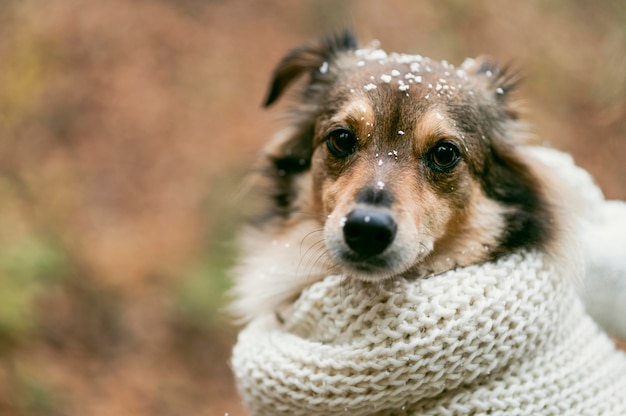
The mountain climate brings both beauty and challenges, and pets are not immune to the effects of cold, snow, and ice. Recognizing when your pet is struggling with the weather is the first step toward prevention and care. Dogs and cats, even those with thick fur, can be susceptible to cold-related issues. Key symptoms of cold stress include shivering, reluctance to go outside, limping or holding up a paw after contact with ice or snow, and seeking out warm hiding spots indoors. You may also notice your pet’s energy level drops or their appetite changes during colder months.
Frostbite and hypothermia are real dangers for pets in Summit County. Warning signs of frostbite include pale, gray, or bluish skin on the ears, tail, or paw pads, as well as swelling and pain when touched. Hypothermia symptoms can involve lethargy, weakness, shallow breathing, and, in severe cases, loss of consciousness. Additionally, arthritis flare-ups are common in older pets when temperatures drop, leading to increased stiffness or limping.
If you notice any of these signs, especially after your pet has spent time outdoors, it’s important to act quickly to prevent further complications. For pets with pre-existing health conditions, such as heart disease or advanced age, cold weather can exacerbate symptoms and require even more attentive monitoring.
Understanding Why Cold Weather Impacts Mountain Pets
Mountain weather in Summit County is known for rapid changes, strong winds, and deep snow. These conditions increase the risks for pets, especially those not accustomed to the cold. Lower humidity and high altitude can dry out paw pads and skin, leading to cracking, irritation, and discomfort. Snow and ice can accumulate between toes, causing pain or even injury. Road salts and de-icing chemicals pose additional threats, as pets may lick their paws after outdoor walks and ingest harmful substances.
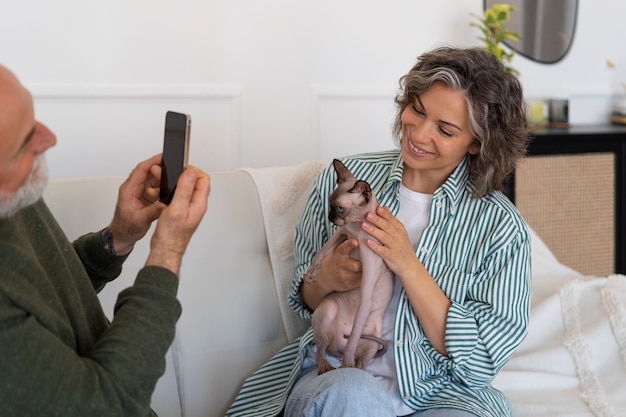
Certain breeds, such as short-haired dogs or hairless cats, are more vulnerable to cold exposure. Puppies, kittens, senior pets, and animals with chronic illnesses also have a harder time regulating their body temperature. Even indoor-outdoor pets that seem “tough” may be at risk. In Summit County and surrounding mountain areas, wildlife encounters can become more frequent in winter as animals search for food, adding another layer of complexity to cold weather pet care.
The unique geography of local communities means that snow piles can limit outdoor exercise, while icy walkways increase the risk of slips and falls for both pets and their owners. Understanding these factors allows you to anticipate problems and implement preventive measures before issues arise.
Mobile Veterinary Support and Treatment for Cold Weather Concerns
When cold weather challenges strike, having access to a mobile veterinarian near me in Summit County provides essential advantages. Our veterinary team at Passion Fur Paws brings diagnostics, treatments, and compassionate expertise directly to your door, minimizing the stress your pet might experience from travel in snowy conditions. For example, if your dog shows signs of arthritis flare-up or your cat develops cracked paw pads, our veterinarians can perform a comprehensive exam, recommend pain management strategies, and provide therapies such as companion laser therapy for pets right in your home.
Should you suspect frostbite or hypothermia, prompt professional veterinary care is crucial. Our mobile team can assess the severity, provide necessary warming treatments, and administer fluids or medications as needed. For pets with mobility issues or chronic health concerns, we offer tailored senior and geriatric pet care plans, adapting routines and medical management to each animal’s needs. If you are unsure about your pet’s symptoms, a house call visit eliminates the risk and hassle of transporting a sick or anxious pet in winter driving conditions.
Diagnostic services such as pet diagnostic laboratory services and digital radiology are available through our mobile unit, ensuring a thorough evaluation without ever leaving your driveway. Our veterinarians also provide advice on managing chronic conditions that worsen during cold weather, such as arthritis or heart disease, and can recommend environmental adjustments to keep your pet comfortable.
Preventive Steps and Home Care for Winter Wellness
Proactive cold weather pet care in Summit County starts with simple adjustments to your daily routine. Keep outdoor time brief during extreme cold and always supervise your pet when outside. Dry your pet’s fur and paws thoroughly after walks, checking for ice, snow, or signs of irritation. Protective booties and pet-safe balms can shield sensitive paws from salt and ice. If your pet resists wearing booties, gentle acclimation and praise can help them adjust over time.
Provide clean, dry bedding in draft-free areas of your home. For pets that spend time in garages or unheated spaces, ensure those areas remain above freezing and are free from chemicals such as antifreeze, which is highly toxic. Increased calorie needs are common during the winter, especially for active dogs who spend time outdoors, so consult with our veterinarians about dietary adjustments if needed.
Regular grooming helps maintain a healthy coat, but avoid shaving your pet down to the skin during winter. Instead, keep fur clean and mat-free to maximize its insulating properties. For senior pets or those with arthritis, provide extra padding or heated beds and gently encourage regular, low-impact exercise indoors.
Routine preventive care, such as wellness examinations and vaccination services, remains vital throughout winter. These visits allow our veterinary professionals to detect early signs of illness, update immunizations, and tailor seasonal advice specific to your pet’s needs in the Summit County climate.
When to Call a Mobile Vet: Recognizing Emergencies and Special Needs
Knowing when to seek help from a mobile veterinarian near me can make all the difference for your pet’s health. Immediate veterinary attention is warranted if your pet displays symptoms such as persistent shivering, weakness, difficulty walking, or signs of frostbite. Pets with labored breathing, confusion, or loss of consciousness after cold exposure should be seen as soon as possible.
Chronic conditions like arthritis, heart disease, or diabetes may require more frequent check-ins during the winter. Contact our veterinary team if you notice changes in mobility, appetite, or behavior, as these may be subtle indicators of discomfort or illness. Our mobile service is especially valuable for senior pets or those who experience anxiety with clinic visits; house calls allow for thorough assessments in a familiar, low-stress environment.
If you are ever uncertain about whether your pet’s symptoms are urgent, our mobile team is available to provide guidance, reassurance, and prompt in-home care. This convenience is particularly helpful during winter months, when travel may be difficult or unsafe. For complex diagnostic needs, our veterinarians can bring advanced services such as digital radiology for pets or in-home laboratory testing directly to you, eliminating delays and reducing stress for your pet.
Conclusion: Embrace Stress-Free Winter Wellness with Passion Fur Paws
Caring for your pet during the winter months in Summit County requires both vigilance and compassion. By recognizing the signs of cold-related distress, understanding why pets are vulnerable in mountain climates, and implementing practical home care strategies, you can help your dog or cat thrive all season long. The benefits of working with a mobile veterinarian near me are clear—personalized attention, reduced travel stress, and expert care delivered right to your door.
If you have concerns about your pet’s health, want to schedule a wellness examination, or need urgent support, our team of veterinarians at Passion Fur Paws is ready to help. We proudly serve Summit County and surrounding communities, offering a full spectrum of in-home veterinary services tailored to your family’s needs. For more information about our approach or to book a house call, call (970) 210-6674 or visit us online. To learn more about our emergency veterinary care or pet wellness examinations, explore our website for details and resources.
Remember, when searching for a mobile vet near me who understands the unique challenges of cold weather pet care in Summit County, Passion Fur Paws is your trusted local partner. Let us help you keep your pets safe, healthy, and happy all winter long.